
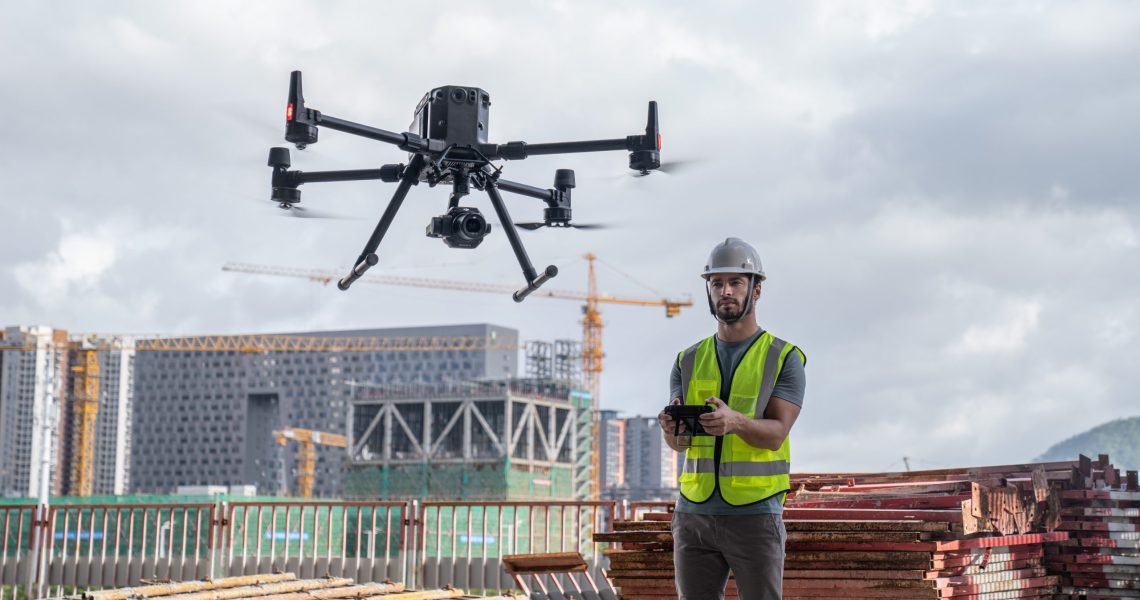
How Drone Inspections Are Revolutionizing Industrial Safety and Efficiency
In the fast-evolving industrial landscape, drone inspections are redefining how companies approach safety, maintenance, and operational efficiency. What once required human workers to climb tall structures, enter hazardous zones, or spend days setting up scaffolding can now be done in minutes — all thanks to advanced drone technology.
Across industries like construction, oil and gas, power generation, and manufacturing, drones have become indispensable tools. They not only capture high-resolution data but also reduce downtime, improve worker safety, and provide decision-makers with actionable insights faster than ever before.
This blog explores how drones are transforming industrial inspections, the benefits they bring, the industries that rely on them, and how forward-thinking companies like Lux Metal are embracing innovation to support modern industrial needs.
Why Drone Inspections Are Changing the Game
Traditionally, inspections involved climbing tall structures, entering confined spaces, or assembling scaffolding — a process that consumed time, manpower, and money. Now, drones can be deployed to capture high-resolution visual data from cell towers, boilers, pipelines, and industrial tanks with minimal risk.
For instance:
- Inspecting a cell tower no longer requires an engineer to climb several stories.
- Examining an industrial boiler can be done remotely without building scaffolding.
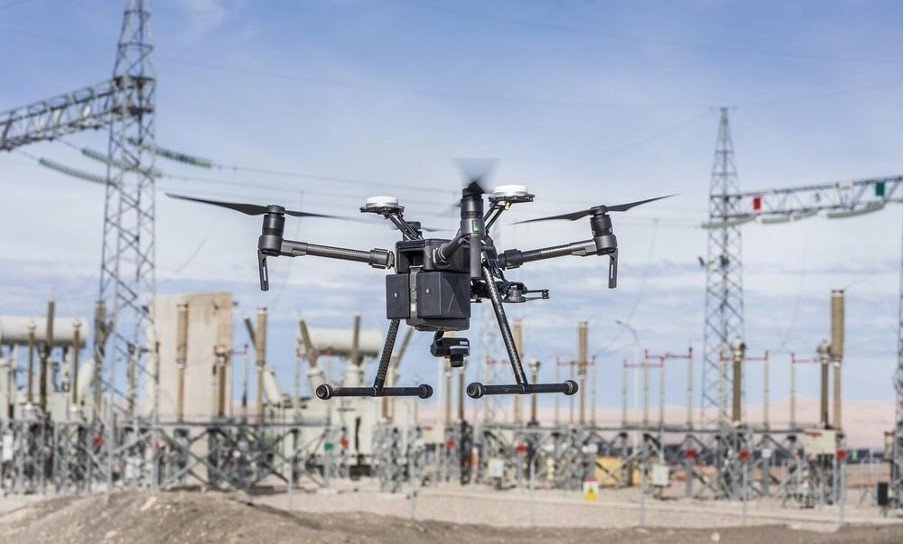
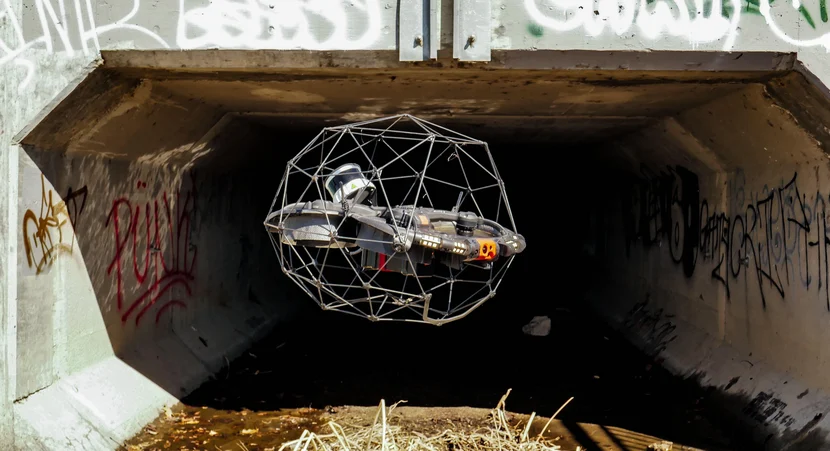
With inspection drones such as the Elios 3, equipped with 4K cameras and LiDAR sensors, inspectors can visualize every detail — even in dark, dusty, or confined spaces.
Benefits of Drone Inspections
- Improved Safety – Drones eliminate the need for inspectors to enter hazardous areas or work at height.
- Cost Savings – Reduce or eliminate the need for scaffolding and minimize downtime.
- Efficiency – Faster inspection turnaround, real-time data capture, and reduced labor hours.
- Detailed Records – Visual and LiDAR data provide a long-term digital record of asset conditions.
- More Frequent Inspections – Lower cost allows more regular monitoring, catching problems early.
By using drones for up to 80–90% of inspections, companies can save significant costs while improving operational safety and reliability.
Types of Drone Inspections
1. Visual Inspections
The most common use of drones is visual inspection, where the camera acts as the inspector’s eyes. Drones capture high-definition images or videos, which are reviewed later for maintenance or safety assessments.
2. Specialized Sensor Inspections
Some industries require more advanced inspection methods:
- Thermal cameras to detect heat leaks in HVAC or energy systems.
- Multispectral sensors in agriculture for analyzing crop health.
- Ultrasonic and LiDAR payloads for accurate measurement and 3D mapping.
Why Drones Are a Game-Changer for Industrial Operations
1. Safety Above All
Industrial sites are filled with risks — heights, toxic gases, confined spaces, or unstable structures. Drone inspections drastically reduce the need for human presence in these dangerous environments.
Instead of sending workers up scaffolds or into tanks, a drone can perform a complete inspection in minutes, ensuring zero human exposure to hazards.
2. Precision and Accuracy
Modern drones capture ultra-high-resolution imagery and even thermal or LiDAR data. These allow engineers to analyze structures down to millimeter precision, identify microcracks, corrosion, or misalignments, and take timely corrective measures.
3. Reduced Downtime
Every hour of downtime can cost industries thousands. Drones minimize this by enabling quick inspections without dismantling machinery or shutting down operations.
For example, inspecting a transmission tower or refinery chimney once required scaffolding setup — now, a drone completes it in a fraction of the time.
4. Data-Driven Maintenance
Drone inspection data is not just visual; it’s measurable. AI software can analyze the footage, create 3D models, detect anomalies, and even predict maintenance schedules.
This predictive maintenance approach helps companies move from reactive fixes to proactive asset management — reducing costs and extending equipment life.
5. Environmental and Cost Efficiency
Drones require less equipment, manpower, and transportation. This means lower carbon emissions and operational costs — aligning with global sustainability goals and corporate ESG standards.
How Drone Inspections Fit into the Maintenance Process
Every maintenance process begins with inspection — identifying areas that require attention before proceeding to repair or replacement. Drones make this first step faster, safer, and more efficient.
By reducing the time required to access and inspect an asset, companies can avoid long downtimes, minimize production losses, and perform proactive maintenance based on data-driven insights.
The Future of Drone Inspections
As technology continues to evolve, inspection drones will become even more versatile and intelligent. AI-driven analytics, real-time data processing, and digital twin creation are set to redefine maintenance operations across industries.
From enhancing safety standards to increasing efficiency, drones are no longer a luxury — they’re becoming an essential tool for modern industrial management.
The Role of Drone Technology in Different Industries
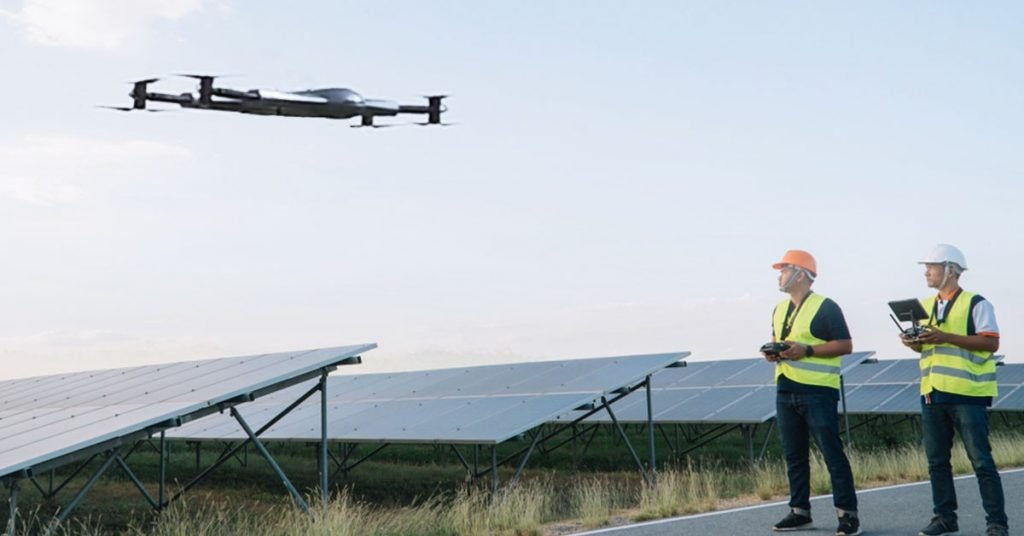
Drone inspection isn’t limited to one industry — it’s a cross-sector revolution. Here’s how various sectors are benefiting:
Construction
From site surveys to structural inspections, drones have become essential tools for builders and engineers. They provide accurate 3D maps, monitor progress, and enhance site safety — ensuring projects are on track and compliant with standards.
Energy and Power
Drones inspect wind turbines, solar farms, and high-voltage lines without interrupting power supply. In the renewable sector, drones help optimize performance and detect faults before they cause power loss.
Oil and Gas
Offshore platforms and pipelines are hazardous and difficult to reach. Drones equipped with thermal imaging and corrosion sensors conduct detailed inspections of flares, stacks, and tanks, reducing the need for costly shutdowns.
Mining
Drones map open pits, measure stockpiles, and monitor underground tunnels. With high-precision LiDAR technology, they help mining companies improve safety and productivity.
Manufacturing and Metal Industries
Factories and metal fabrication facilities use drones for roof inspections, structure monitoring, and detecting potential equipment failures. They also support ESG audits by monitoring emissions and ensuring compliance with safety standards.
Public Infrastructure
Governments and municipalities deploy drones to inspect bridges, highways, and drainage systems. This proactive monitoring prevents collapses, ensures public safety, and saves millions in repair costs.
Drone Technology: What’s Inside the Machines
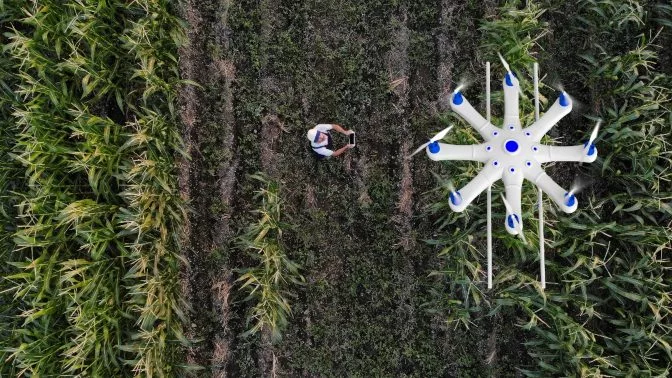
Modern inspection drones come equipped with cutting-edge features designed for industrial needs:
- LiDAR Sensors: Generate accurate 3D scans of assets and terrain.
- Thermal Cameras: Detect heat leaks or overheating equipment.
- AI-Powered Analysis: Automatically detects cracks, rust, or leaks.
- Collision Avoidance Systems: Ensures safety in confined spaces.
- Live Streaming: Enables real-time decision-making for inspection teams.
Models like Flyability’s Elios 3 and DJI Matrice 350 RTK are industry favorites, offering stability, endurance, and integration with analytics software for complete asset assessment.
Emerging Trends in Drone Inspections
1. Integration with Digital Twins
Drone data is increasingly being used to create digital twins — 3D virtual replicas of industrial assets. These models allow engineers to simulate maintenance, track deterioration, and test modifications virtually.
2. AI and Machine Learning
AI-powered analysis helps companies interpret large amounts of visual data quickly. Drones can automatically detect defects, reducing human error and speeding up decision-making.
3. Autonomous Flight and Fleet Management
Upcoming drone systems are capable of autonomous flight, route planning, and cloud-based fleet management — allowing companies to run multiple inspections remotely.
4. Green Operations
As industries push toward carbon neutrality, drones align with sustainability initiatives by reducing travel, equipment usage, and waste from manual inspections.
Drone Inspections in Malaysia and Southeast Asia
In Malaysia and neighboring countries, industries are rapidly embracing drone technology for inspection and monitoring. With government support for smart manufacturing (Industry 4.0) and safety compliance, companies in sectors such as construction, palm oil, and metal fabrication are exploring drones to cut costs and enhance productivity.
Drones are also proving vital in Malaysia’s ESG and environmental monitoring initiatives, helping track emissions, inspect solar projects, and assess infrastructure health across remote areas.
How Lux Metal Connects to Modern Industrial Innovation
At Lux Metal, innovation and precision are at the heart of everything we do. As a leading metal fabrication and engineering solutions provider in Malaysia, we understand the importance of integrating modern technologies like drone inspections, automation, and AI-driven tools into industrial workflows.
Our advanced services include:
- CNC Laser Cutting & Bending
- Custom Stainless Steel Fabrication
- Precision Welding & Assembly
- Sheet Rolling and V-Cutting
- Structural Metal Components for Industrial Projects
By combining high-quality fabrication with cutting-edge inspection and design support, Lux Metal enables industries to achieve greater safety, reliability, and performance.
The Future is Aerial
Drone inspection technology is not a passing trend — it’s the future of industrial management. It represents a shift toward data-driven operations, safer workplaces, and sustainable practices.
Whether it’s a refinery chimney, a transmission tower, or a high-rise building, drones are now the silent workhorses ensuring everything runs smoothly, efficiently, and safely.
As industries evolve, companies that adopt drone inspection and integrate it into their operational strategies will lead the race toward digital transformation and sustainability.
About Lux Metal
Lux Metal Group specializes in customized stainless steel and aluminium fabrication for industrial and commercial applications. With our state-of-the-art facilities and a dedicated team of experts, we help clients design, fabricate, and deliver premium-quality metal products that meet the highest global standards.
We proudly support forward-thinking companies that embrace smart technologies like drones, automation, and Industry 4.0 — driving Malaysia’s industrial future.
👉 Visit us today at www.luxmetalgroup.com to explore our services or get in touch for your next project.
References
For readers who would like to learn more about drone inspections, infrastructure monitoring, construction technology, and industrial asset management, the following resources provide valuable insights:
Infrastructure Inspection with Drones
- How Drones Are Used for Infrastructure Inspections – Skydio
- The Impact of Drones on Infrastructure Inspection and Projects – Skydio
- Electric Infrastructure Inspection with Drones – Skydio
Drone Inspections in Oil & Gas
- 7 Key Benefits of Drone Inspections in Oil & Gas – Flyability
- Oil and Gas Drone Inspection Solutions – Flyability
- Offshore Drone Inspections Guide – Flyability