
Introduction
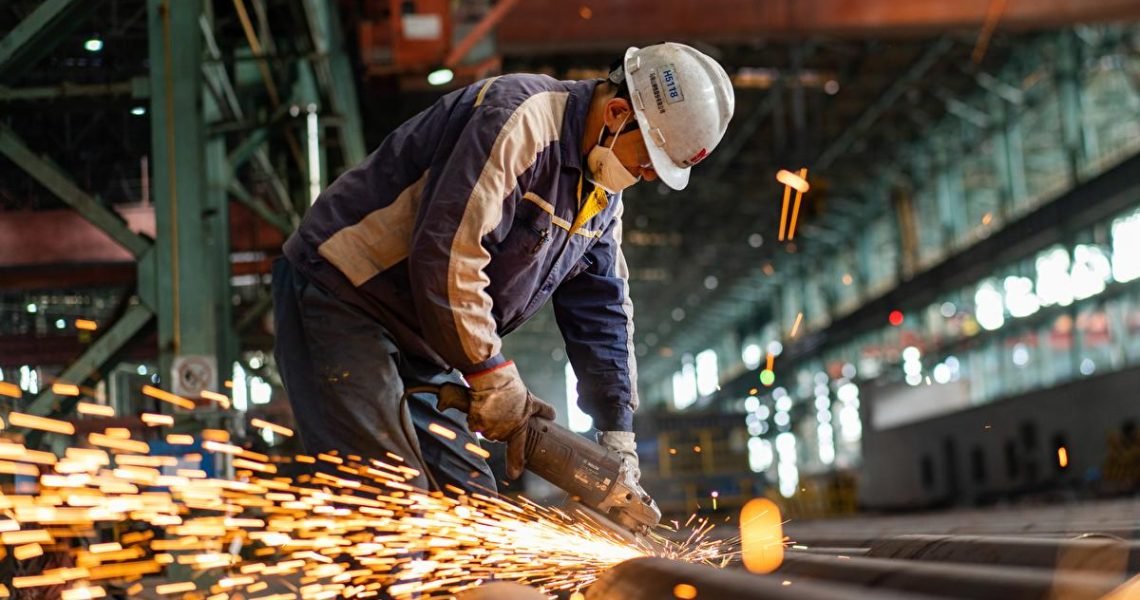
Modern technology in the steel industry is reshaping how steel is produced, processed, and utilized across the globe. As industries face increasing demands for efficiency, sustainability, and higher-quality materials, steel manufacturers are embracing advanced technologies to remain competitive in an evolving marketplace. From artificial intelligence and industrial automation to smart manufacturing systems and green steel production, technological innovation is transforming one of the world’s most important industries.
For decades, steel manufacturing has been the backbone of economic development, supporting critical sectors such as construction, transportation, infrastructure, energy, and manufacturing. However, traditional steel production methods are increasingly challenged by rising operational costs, environmental regulations, global competition, and the growing need for sustainable manufacturing practices. To overcome these challenges, steel producers worldwide are investing heavily in modern technology to improve productivity, reduce carbon emissions, and enhance product quality.
In 2026, the global steel industry is undergoing one of its most significant transformations in history. Digitalization, automation, data analytics, robotics, and advanced fabrication technologies are revolutionizing every stage of the steel manufacturing process. These innovations not only help manufacturers increase operational efficiency but also support the development of greener and more sustainable steel production methods that align with global environmental goals.
The importance of this transformation extends far beyond steel mills. Modern technology is also reshaping metal fabrication, precision engineering, and industrial manufacturing sectors that rely on high-quality steel products. Businesses involved in laser cutting, CNC machining, metal bending, welding, and custom fabrication are benefiting from greater precision, faster production speeds, improved quality control, and reduced material waste.
As global demand continues to grow for infrastructure development, renewable energy projects, electric vehicles, and advanced manufacturing solutions, the steel industry must adapt to meet these evolving requirements. Companies that invest in innovation, smart manufacturing, and sustainable steel production will be better positioned to lead the next generation of industrial growth.
Building a Stronger and Greener Steel Industry for the Next Generation
Steel has been the backbone of modern civilization for more than a century. From skyscrapers and bridges to railways, factories, renewable energy infrastructure, and transportation systems, steel remains one of the most essential materials in the world. Yet despite its importance, many steel producers around the globe continue to face significant challenges ranging from rising production costs and international competition to environmental pressures and technological disruption.
Recent developments surrounding British Steel have reignited discussions about the future of the steel industry. While debates often focus on whether governments should intervene to save struggling steel companies, a more important question deserves attention: Should the goal simply be to rescue steel manufacturers, or should it be to transform them into modern, sustainable, and globally competitive enterprises?
The answer has implications far beyond a single company or country. It highlights the broader need for long-term investment, technological innovation, environmental responsibility, and strategic planning across the global steel sector.
Why Steel Remains a Strategic Industry
Steel is not just another industrial commodity. It serves as the foundation for many sectors that support economic growth and national development.
The construction industry depends heavily on steel for structural frameworks, reinforcement systems, roofing components, and architectural applications. Infrastructure projects such as bridges, highways, rail networks, airports, and ports require substantial quantities of steel products. Manufacturing industries rely on steel for machinery, equipment, automotive components, and industrial systems.
Furthermore, as countries pursue renewable energy goals, steel demand continues to rise. Wind turbines, solar panel mounting structures, electric vehicle infrastructure, transmission towers, and energy storage facilities all require significant amounts of high-quality steel.
According to industry forecasts, global demand for steel used in clean energy technologies is expected to increase dramatically over the coming decade. This creates new opportunities for steel producers that are prepared to invest in modernization and sustainable manufacturing practices.
The Challenges Facing Traditional Steel Production
Despite strong demand, traditional steelmaking faces several obstacles.
Rising Global Competition
Steel manufacturers today operate in a highly competitive international marketplace. Producers from different regions compete on price, quality, delivery speed, and technological capabilities.
Countries that continue investing in advanced production technologies often achieve greater efficiency and lower operating costs. Meanwhile, companies that delay modernization can struggle to remain competitive.
High Capital Requirements
Steel production is one of the most capital-intensive industries in the world. Blast furnaces, rolling mills, continuous casting systems, and processing facilities require billions of dollars in investment and ongoing maintenance.
Unlike many industries that can quickly adapt to market changes, steel manufacturers often need decades of long-term planning and investment to remain successful.
Environmental Pressures
One of the biggest challenges facing the steel sector is sustainability.
Globally, steel production accounts for approximately 7% to 10% of greenhouse gas emissions. Traditional blast furnace operations consume large quantities of coal and energy, making them a major contributor to industrial carbon emissions.
As governments introduce stricter environmental regulations and customers increasingly prioritize sustainability, steel producers face growing pressure to reduce their environmental footprint.
Workforce and Skills Development
Modern steel manufacturing requires highly skilled workers capable of operating advanced machinery, automation systems, digital monitoring technologies, and quality control processes.
Companies that invest in employee training and workforce development are often better positioned to adapt to technological change and maintain high production standards.
Why Rescue Alone Is Not Enough
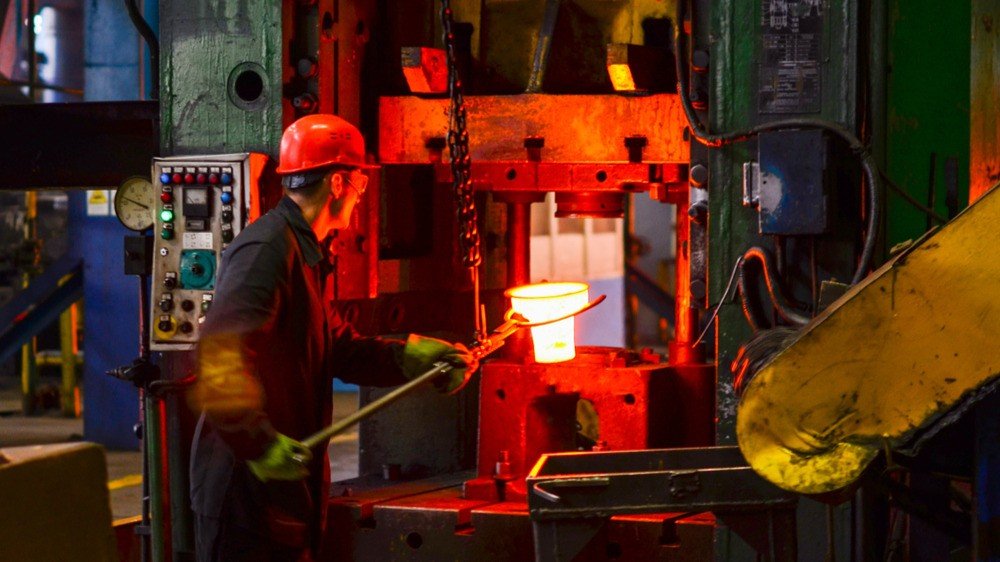
When steel companies face financial difficulties, governments often step in to prevent closures, protect jobs, and maintain industrial capacity. While emergency support can provide short-term stability, it does not necessarily address the underlying causes of decline.
Simply injecting funds into struggling operations may delay problems rather than solve them.
Long-term success requires a comprehensive transformation strategy that focuses on:
- Modernizing production facilities
- Improving operational efficiency
- Investing in advanced manufacturing technologies
- Enhancing workforce skills
- Strengthening supply chains
- Reducing environmental impact
- Developing innovative products and services
The objective should not merely be to preserve existing operations but to create a stronger and more competitive steel industry capable of thriving in the future.
The Rise of Green Steel
One of the most significant developments in the global steel industry is the emergence of green steel.
Green steel refers to steel produced using methods that significantly reduce carbon emissions compared to traditional manufacturing processes.
Several approaches are currently being explored worldwide:
Electric Arc Furnaces (EAF)
Electric Arc Furnaces use electricity to melt recycled steel scrap rather than relying heavily on coal-based blast furnaces.
This process can significantly reduce carbon emissions while supporting circular economy initiatives through increased recycling.
Hydrogen-Based Steel Production
Hydrogen is increasingly being viewed as a potential replacement for coal in steelmaking.
When renewable hydrogen is used during production, carbon emissions can be dramatically reduced, creating opportunities for near-zero-emission steel manufacturing.
Renewable Energy Integration
Many steel producers are investing in renewable energy sources such as solar and wind power to support production facilities and reduce reliance on fossil fuels.
Advanced Process Optimization
Artificial intelligence, automation, and digital monitoring systems help manufacturers optimize energy consumption, reduce waste, and improve production efficiency.
These technologies enable steel companies to achieve sustainability goals while maintaining profitability.
Technology Is Transforming Steel Manufacturing
The future of steel manufacturing extends beyond environmental improvements.
Industry 4.0 technologies are revolutionizing production processes across the world.
Smart Manufacturing
Sensors and real-time monitoring systems allow manufacturers to track equipment performance, energy consumption, and production quality with unprecedented accuracy.
Automation and Robotics
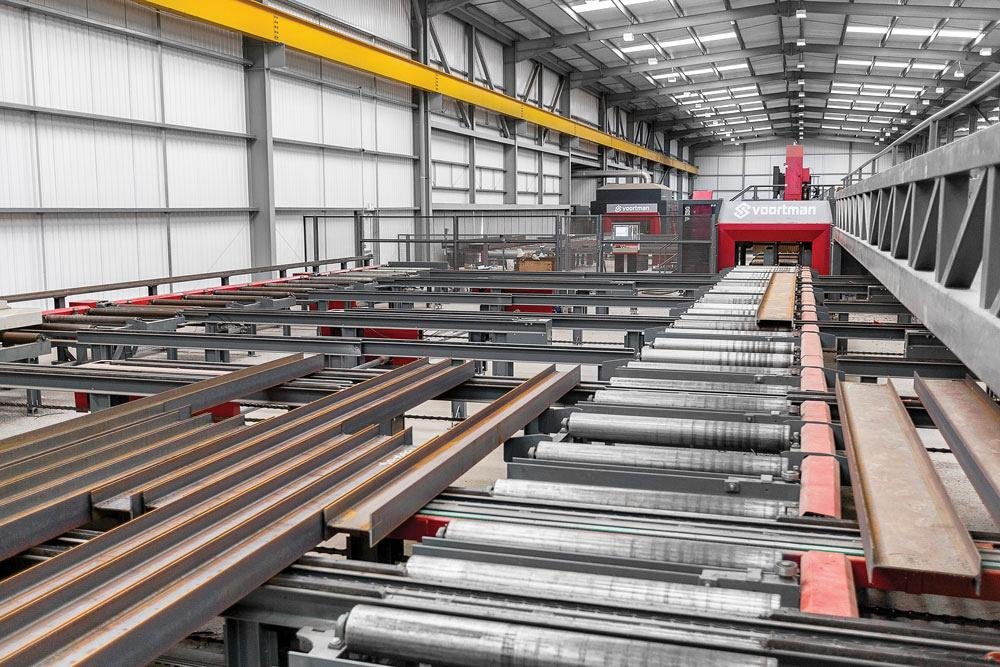
Robotic welding systems, automated material handling equipment, and computer-controlled production lines increase efficiency while reducing operational risks.
Predictive Maintenance
Advanced data analytics can predict equipment failures before they occur, minimizing downtime and improving productivity.
Precision Fabrication
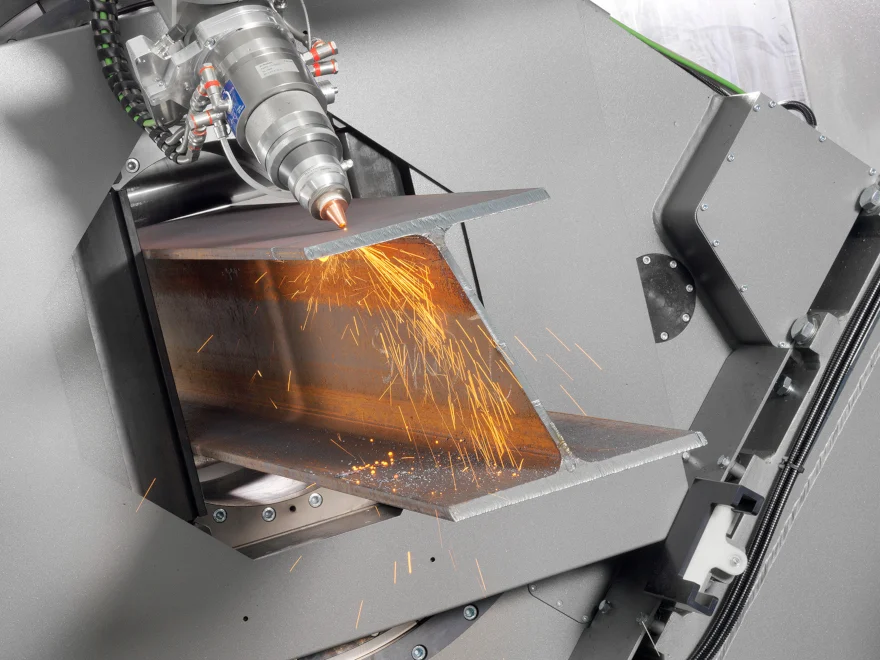
Modern CNC machinery, laser cutting systems, automated bending equipment, and advanced welding technologies allow manufacturers to produce highly accurate components with minimal material waste.
Companies that embrace these innovations gain a competitive advantage through improved quality, faster delivery times, and lower production costs.
What This Means for Metal Fabrication Companies
The transformation occurring within the steel industry directly impacts metal fabrication businesses.
Fabricators play a critical role in converting raw steel materials into customized products and solutions for customers across multiple industries.
At Lux Metal, we recognize that customers increasingly demand:
- Higher precision
- Faster turnaround times
- Consistent quality
- Sustainable manufacturing practices
- Customized solutions
- Cost efficiency
Meeting these expectations requires continuous investment in advanced machinery and fabrication technologies.
Modern equipment such as CNC laser cutting machines, precision bending systems, welding technologies, milling machines, and laser marking equipment enables fabricators to deliver superior results while reducing waste and improving efficiency.
The Importance of Long-Term Investment
One of the key lessons from the challenges faced by steel manufacturers around the world is the importance of long-term investment.
Short-term cost-cutting measures may temporarily improve financial performance, but sustainable success requires ongoing commitment to modernization and innovation.
Organizations that invest in:
- New machinery
- Employee development
- Research and development
- Sustainability initiatives
- Digital transformation
- Quality management systems
are better positioned to navigate market changes and capitalize on emerging opportunities.
Long-term thinking creates resilience, allowing businesses to adapt to economic cycles and technological disruption.
Sustainability Is Becoming a Competitive Advantage
Sustainability is no longer simply a regulatory requirement. It is becoming a key competitive differentiator.
Customers increasingly evaluate suppliers based on environmental performance, resource efficiency, and corporate responsibility.
Businesses that proactively reduce waste, improve energy efficiency, and embrace sustainable manufacturing practices often gain stronger customer trust and enhanced market positioning.
In many cases, sustainability initiatives also generate cost savings through reduced energy consumption, optimized material usage, and improved operational efficiency.
This creates a win-win scenario where environmental responsibility aligns with business performance.
The Future of Steel and Metal Fabrication
The future of the steel industry will be shaped by three major forces:
Digital Transformation
Advanced technologies will continue improving productivity, quality control, and operational efficiency.
Decarbonization
Reducing carbon emissions will remain a top priority as industries pursue net-zero objectives and environmental compliance.
Advanced Manufacturing
Precision fabrication, automation, and smart production systems will become increasingly important for meeting customer expectations.
Companies that successfully adapt to these trends will lead the next generation of industrial development.
How Lux Metal Supports the Future of Modern Steel Manufacturing
As modern technology continues to reshape the global steel industry, manufacturers and fabrication companies must invest in advanced equipment and precision engineering capabilities to remain competitive. At Lux Metal, we embrace these industry advancements by providing comprehensive metal fabrication and manufacturing solutions that help customers achieve higher quality, greater efficiency, and improved production performance.
Based in Malaysia, Lux Metal specializes in customized metal fabrication solutions for industries ranging from construction and automation to semiconductor, aerospace, pharmaceutical, electrical, and industrial manufacturing applications. Our commitment to innovation and precision allows us to support customers throughout every stage of their manufacturing journey.
Lux Metal’s Core Services
CNC Laser Cutting
Our advanced CNC laser cutting technology delivers highly accurate and consistent cuts for various metal materials, including stainless steel, mild steel, and aluminum. Laser cutting enables manufacturers to produce complex shapes, intricate designs, and precision components while minimizing material waste and improving production efficiency.
Sheet Metal Fabrication
Lux Metal provides complete sheet metal fabrication solutions, transforming raw materials into high-quality components and assemblies. Our fabrication capabilities support both prototype development and high-volume production, ensuring flexibility for projects of all sizes.
CNC Machining Services
Using advanced CNC milling, turning, wire cut, EDM, and machining technologies, we manufacture precision-engineered components that meet strict dimensional tolerances and industry requirements. These capabilities allow us to serve customers requiring complex and high-performance metal parts.
Metal Bending and Forming
Our CNC sheet bending, pipe bending, rolling, and forming equipment enables the production of custom metal structures and components with exceptional accuracy and repeatability. Modern bending technology helps improve efficiency while maintaining consistent product quality.
Welding and Metal Assembly
Lux Metal offers TIG, MIG, and robotic welding services alongside OEM machine assembly solutions. Our experienced team ensures strong, durable, and high-quality assemblies suitable for demanding industrial applications. From small precision components to complex machinery assemblies, we deliver reliable manufacturing solutions tailored to customer requirements.
OEM Machine Assembly
Beyond fabrication, we provide complete OEM machine assembly services, including mechanical assembly, electromechanical integration, testing, and quality assurance. This enables customers to streamline their supply chain by working with a single trusted manufacturing partner.
Advanced Manufacturing Facilities
To support the growing demand for precision manufacturing, Lux Metal continuously invests in modern production technologies. Our facilities are equipped with CNC laser cutting machines, CNC milling machines, CNC turning machines, laser marking systems, robot welding machines, water jet cutting machines, CNC bending machines, wire cut machines, and other advanced fabrication equipment. These technologies allow us to deliver consistent quality, shorter lead times, and greater manufacturing flexibility.
As the steel industry moves toward automation, smart manufacturing, and sustainable production practices, Lux Metal remains committed to helping businesses transform ideas into high-quality metal products through innovation, precision engineering, and continuous improvement.
For more information about our services and manufacturing capabilities, visit our website: https://luxmetalgroup.com/
Conclusion
The debate surrounding British Steel highlights a broader reality facing steel manufacturers worldwide. The future of the industry depends not on temporary rescue measures but on meaningful transformation.
Modern steel production requires strategic investment, technological innovation, sustainability initiatives, and long-term vision. Companies that embrace these principles will be better equipped to compete in a rapidly changing global marketplace.
As demand for infrastructure, renewable energy projects, advanced manufacturing, and sustainable construction continues to grow, the steel sector remains positioned to play a vital role in shaping the future.
At Lux Metal, we believe that innovation, precision, and continuous improvement are essential for supporting this transformation. By investing in advanced fabrication technologies and delivering customized metal solutions, we remain committed to helping customers build stronger, more efficient, and more sustainable projects for the years ahead.
References
This article draws insights from industry reports, economic analyses, and steel manufacturing publications regarding the future of the global steel industry, sustainability initiatives, and modernization efforts.
- Project Syndicate. The Visible Hand: British Steel Needs a Transformation, Not a Bailout.
- The Edge Malaysia. British Steel’s Future and Industrial Policy Discussions.
https://theedgemalaysia.com/node/806270 - GMK Center. British Steel: The Battle for the Last Blast Furnaces.
https://gmk.center/en/posts/british-steel-the-battle-for-the-last-blast-furnaces/ - China Daily Hong Kong. Developments in the British Steel Industry and Government Intervention.
https://www.chinadailyhk.com/hk/article/354882 - LinkedIn Article. How the Iron and Steel Industry Drives Global Economic Growth.
https://www.linkedin.com/pulse/how-iron-steel-industry-drives-global-economic-growth-csq1e/ - World Steel Association. Steel Industry Statistics and Sustainability Reports.
- International Energy Agency (IEA). Iron and Steel Technology Roadmap.