
Introduction
The global steel industry has always relied heavily on efficient transportation networks to move raw materials, semi-finished products, and finished steel products across international markets. However, in recent years, geopolitical tensions, port disruptions, rising energy costs, and transportation constraints have exposed the vulnerability of global supply chains.
In 2026, logistics has become one of the most critical challenges facing the steel sector. Port blockades, railway bottlenecks, labor shortages, rising fuel prices, and increasing freight rates are creating significant pressure on steel producers, distributors, and manufacturers around the world.
The impact extends beyond steel mills and mining companies. Construction firms, infrastructure developers, automotive manufacturers, machinery producers, and metal fabricators all depend on stable steel supply chains to maintain operations and deliver projects on schedule.
As logistics costs continue to rise, businesses throughout the steel value chain must adapt to an increasingly complex and unpredictable operating environment.
Why Logistics Matters in the Steel Industry
Steel production is one of the most logistics-intensive industries globally.
The manufacturing process relies on the continuous movement of:
- Iron ore
- Coking coal
- Scrap metal
- Pig iron
- Semi-finished steel products
- Finished steel products
Unlike many other industries, steel products are heavy and bulky, making transportation costs a significant component of total production expenses.
A disruption at any stage of the supply chain can quickly affect:
- Steel production volumes
- Product availability
- Delivery schedules
- Manufacturing costs
- Market pricing
For steel producers, maintaining efficient logistics is just as important as maintaining efficient production facilities.
The Impact of Port Disruptions on Steel Exports
One of the most significant challenges facing the steel sector in 2026 is the disruption of key maritime shipping routes.
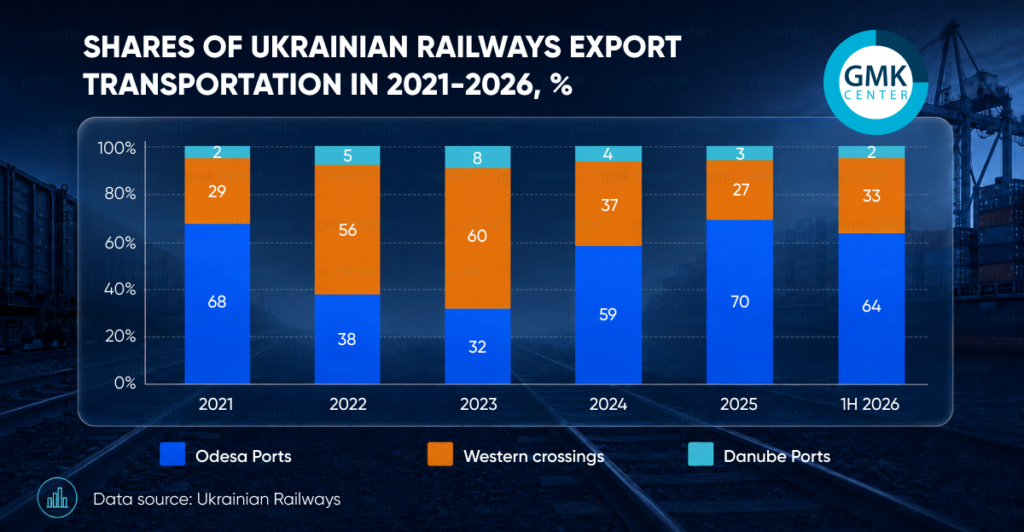
Recent port blockades and security concerns in the Black Sea region have significantly reduced export capacity for iron ore, pig iron, and semi-finished steel products.
According to industry reports, iron ore exports have declined sharply, while shipments of pig iron and semi-finished steel products have experienced even steeper reductions.
These disruptions demonstrate how dependent the steel industry remains on maritime transportation.
Why Seaports Are Critical
Seaports offer:
- The lowest transportation costs
- The highest cargo volumes
- Global market access
- Efficient long-distance shipping
When ports become inaccessible, exporters are forced to rely on alternative transportation methods that are often more expensive and less efficient.
Rising Transportation Costs Across Global Supply Chains
The logistics crisis is not limited to shipping disruptions.
Railway operators, trucking companies, and logistics providers are also facing rising costs due to:
- Higher fuel prices
- Labor shortages
- Equipment shortages
- Infrastructure limitations
- Increased insurance premiums
For steel manufacturers, transportation costs can represent a significant percentage of total operating expenses.
Industry estimates suggest that alternative logistics routes can increase transportation costs by:
| Transport Method | Additional Cost |
|---|---|
| Rail Transport | USD 15–30 per tonne |
| Alternative Port Routing | USD 50–70 per tonne |
| Road Transportation | Significantly higher depending on distance |
These cost increases inevitably affect the competitiveness of steel exports and contribute to rising steel prices globally.
The Challenge of Alternative Logistics Routes
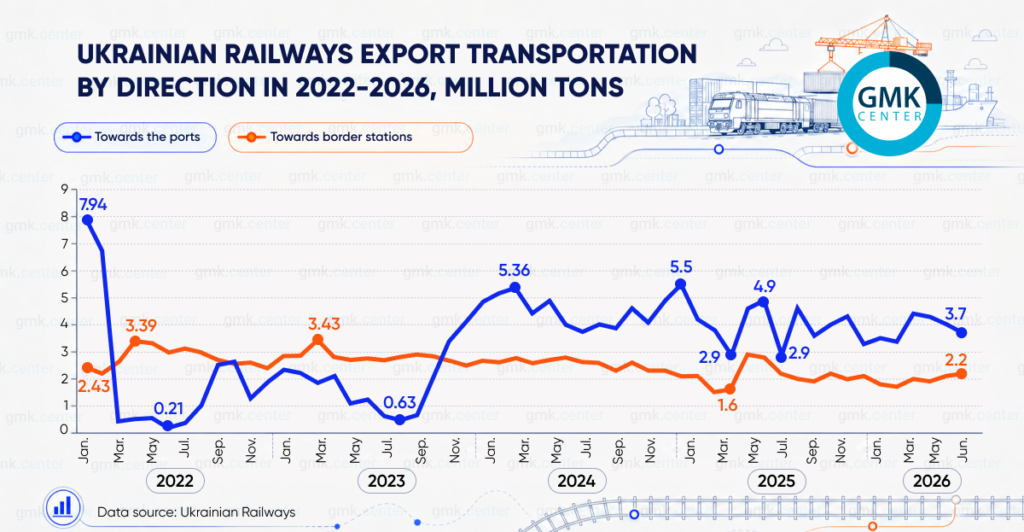
When major ports become unavailable, exporters often turn to alternative transportation networks.
These include:
Railway Corridors
Rail transport offers an important alternative for moving steel products and raw materials.
However, rail networks face limitations such as:
- Capacity constraints
- Border crossing delays
- Infrastructure maintenance
- Different rail gauge standards
In many cases, rail transport simply cannot handle the same cargo volumes as major seaports.
Inland Waterways
River ports and inland shipping routes can provide additional export capacity.
However, factors such as seasonal water levels, infrastructure limitations, and weather conditions often restrict their effectiveness.
Road Transportation
Truck transportation offers flexibility but is typically the most expensive logistics solution for steel products.
Challenges include:
- Driver shortages
- Fuel costs
- Vehicle availability
- Cross-border regulations
As a result, road transportation is generally reserved for higher-value products or shorter distances.
How Logistics Costs Affect Steel Prices
Every increase in transportation costs eventually impacts steel pricing.
When manufacturers spend more on moving raw materials and finished products, those costs are often passed along the supply chain.
This affects:
- Construction projects
- Infrastructure developments
- Manufacturing operations
- Industrial equipment production
For project owners and contractors, rising steel prices can significantly increase overall project costs.
Large-scale infrastructure projects are particularly sensitive to fluctuations in steel pricing because steel often represents a major portion of total material expenses.
Why Alternative Export Routes Cannot Fully Replace Seaports
While steel producers are actively exploring alternative logistics solutions, the reality is that none of these routes can fully replace the efficiency, capacity, and cost advantages of deep-water seaports.
Under current market conditions, steel and mining companies are being forced to redirect exports through railway networks, European ports, and inland waterways. However, these alternatives come with significantly higher transportation costs. Industry estimates indicate that shipping iron ore pellets through ports such as Gdańsk in Poland can add an additional USD 50–60 per tonne in logistics expenses. For bulk commodities like iron ore, such costs can quickly erode profit margins and make exports economically unsustainable.
The Danube ports, often considered a key alternative to Black Sea shipping routes, are also facing operational challenges. Critically low water levels have reduced navigation capacity and disrupted cargo movement. Even when operating normally, the Danube corridor can only handle a fraction of the cargo volumes previously transported through major deep-water seaports.
Other export options, including Romania’s Port of Constanța, face similar limitations. While these ports provide valuable access to international markets, increased demand has led to congestion, limited vessel availability, and strict scheduling requirements. As a result, exporters are unable to scale up shipments to the levels required by the steel industry.
The challenge facing steel producers therefore extends beyond transportation costs alone. Two major obstacles continue to threaten export competitiveness:
- Significantly higher logistics expenses, which reduce the economic viability of exporting raw materials and steel products.
- Limited transportation capacity, which prevents exporters from moving sufficient cargo volumes through alternative routes.
These constraints highlight the critical role that efficient maritime logistics play in supporting global steel trade. Without access to high-capacity seaports, steel producers face increasing operational pressures, reduced competitiveness, and growing uncertainty in international markets.
Supply Chain Risks Facing Steel Manufacturers
The current logistics crisis highlights the importance of supply chain resilience.
Manufacturers face several key risks:
Raw Material Availability
Iron ore, coking coal, and scrap metal must arrive consistently to maintain production.
Disruptions can force manufacturers to reduce output or temporarily suspend operations.
Inventory Management
Many companies have adopted lean inventory strategies over the past decade.
While efficient during stable conditions, these strategies leave manufacturers vulnerable to supply chain disruptions.
Customer Commitments
Delayed shipments can affect customer relationships and contractual obligations.
Manufacturers must balance inventory costs with the need for reliable product availability.
Rising Logistics Costs Continue to Pressure Global Supply Chains
While global trade activity and eCommerce demand remain resilient, logistics operators worldwide are facing mounting challenges from geopolitical tensions, shipping disruptions, and rising operating costs. Ongoing conflicts in the Middle East have contributed to higher energy prices, increasing fuel expenses across the transportation sector and creating additional cost pressures for businesses and consumers alike.
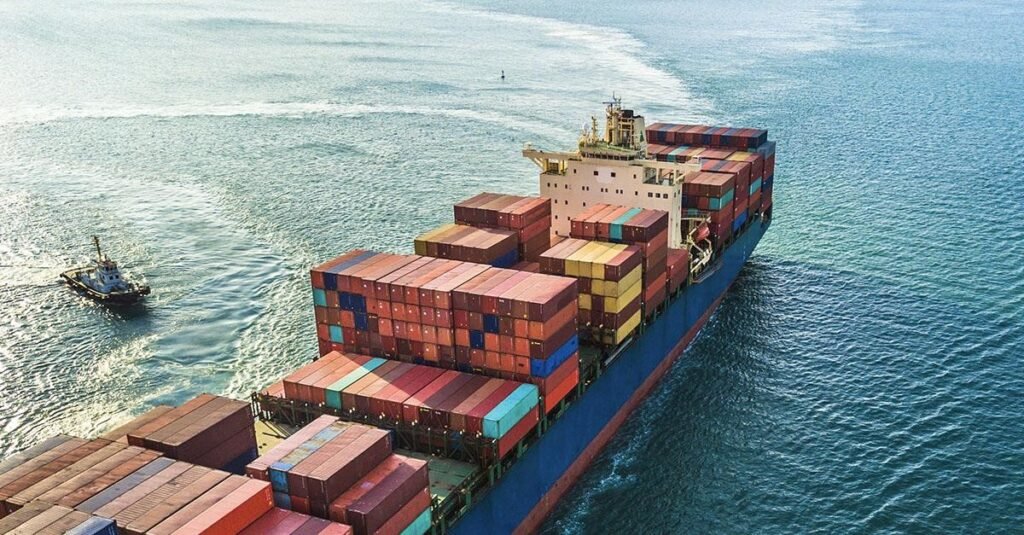
One of the most significant disruptions has been the continued diversion of shipping routes away from the Red Sea and the Suez Canal. Many vessels traveling between Asia and Europe have been forced to reroute via the Cape of Good Hope, resulting in longer transit times, increased fuel consumption, and reduced shipping efficiency. As the Asia-Europe trade lane accounts for a substantial share of global container traffic, these disruptions have had ripple effects throughout international supply chains.
Port operators have also experienced operational challenges. Delayed vessel arrivals, longer voyage durations, and rising fuel expenses have increased overall logistics costs. To manage these pressures, some operators have begun investing in fleet modernization initiatives, including the adoption of electric vehicles and other sustainability measures aimed at reducing long-term operating costs.
The logistics sector is also facing growing competitive pressures. In Malaysia, logistics providers have reported challenges related to changing customer demand, increased operational expenses, and intense competition from international market players. These factors have made it more difficult for companies to fully capitalize on growing trade volumes despite positive market demand.
For example, logistics companies have reported weaker performance in certain core business segments due to reduced operational scale and shifting customer requirements. However, higher freight forwarding margins and container haulage rate adjustments introduced in recent years have helped partially offset these challenges. The situation highlights the delicate balance logistics providers must maintain between managing rising costs and preserving profitability in an increasingly competitive environment.
For steel manufacturers, fabricators, and industrial businesses, these developments serve as a reminder that logistics costs have become a critical component of overall supply chain management. Rising transportation expenses, longer delivery lead times, and shipping uncertainties can directly influence raw material availability, production planning, and final product pricing.
As global trade routes continue to evolve, businesses must place greater emphasis on supply chain resilience, logistics diversification, and strategic sourcing to remain competitive in an increasingly complex market environment.
The Global Steel Industry’s Response
Steel producers are actively implementing strategies to reduce logistics risks.
These include:
Supply Chain Diversification
Many companies are sourcing raw materials from multiple regions to reduce dependence on any single supplier or transportation route.
Alternative Export Channels
Manufacturers are utilizing different ports, rail corridors, and logistics providers to improve flexibility.
Strategic Stockpiling
Some companies are increasing inventory levels to buffer against future disruptions.
Digital Supply Chain Management
Advanced logistics software and real-time tracking systems help companies identify bottlenecks and respond more quickly to changing conditions.
What This Means for Steel Buyers
For steel buyers, procurement planning has become more important than ever.
Companies should consider:
Longer Lead Times
Supply chain disruptions may extend delivery schedules.
Planning purchases earlier can help reduce risks.
Price Volatility
Steel prices may continue fluctuating as logistics costs change.
Long-term supply agreements can help improve cost predictability.
Supplier Reliability
Working with established suppliers that maintain strong inventory and logistics capabilities can reduce supply chain risks.
How Lux Metal Helps Customers Navigate Supply Chain Challenges
In an increasingly uncertain global market, partnering with a reliable fabrication and manufacturing company is essential.
At Lux Metal, we understand the challenges facing manufacturers, contractors, and project developers.
Our integrated manufacturing capabilities help customers reduce supply chain complexity while maintaining high-quality standards.
Our Core Services
CNC Laser Cutting
High-precision cutting solutions for stainless steel, mild steel, and aluminum components.
CNC Machining
Precision-engineered parts manufactured to strict dimensional tolerances.
Sheet Metal Fabrication
Custom fabrication services for industrial, commercial, and engineering applications.
Metal Bending and Forming
Accurate shaping and forming solutions for a wide range of projects.
Welding and Assembly
Comprehensive welding and machine assembly services to support complete manufacturing solutions.
By combining multiple manufacturing processes under one roof, Lux Metal helps customers improve efficiency, shorten lead times, and simplify procurement management.
To learn more about our capabilities, visit:
🌐 https://luxmetalgroup.com/facilities/
🌐 https://luxmetalgroup.com/products/
Looking Ahead: Building a More Resilient Steel Supply Chain
The logistics disruptions affecting global steel markets in 2026 highlight the importance of resilient supply chains.
While alternative transportation routes can help offset some losses, they often come with higher costs and lower capacity.
For the steel industry, long-term resilience will depend on:
- Infrastructure investment
- Supply chain diversification
- Digital logistics technologies
- Regional manufacturing capabilities
- Strong international cooperation
Companies that proactively strengthen their supply chains will be better positioned to manage future disruptions and maintain competitiveness.
Conclusion
The global steel industry is facing one of its most challenging logistics environments in recent years. Port disruptions, rising transportation costs, and supply chain constraints are creating significant pressure on steel producers, exporters, manufacturers, and end-users alike.
Although alternative logistics routes provide some relief, they cannot fully replace the efficiency and capacity of major seaports. As a result, steel prices, production volumes, and delivery schedules are likely to remain sensitive to logistics developments throughout 2026.
For businesses operating in manufacturing, construction, infrastructure, and engineering sectors, understanding these challenges is essential for effective planning and risk management.
At Lux Metal, we remain committed to supporting our customers through reliable manufacturing solutions, precision fabrication services, and advanced engineering expertise. By helping businesses navigate an increasingly complex supply chain landscape, we continue to contribute to stronger and more resilient industrial operations.
References
For readers interested in learning more about the impact of logistics disruptions, rising transportation costs, and global steel supply chain challenges, the following resources provide valuable industry insights:
- GMK Center – Logistics Crisis: How Port Blockades and Rising Transport Costs Are Hitting Iron and Steel Sector
An in-depth analysis of how port disruptions, rising freight costs, and export bottlenecks are affecting iron ore producers, steel manufacturers, and international trade flows. - GMK Center – The Paralysis of the Iron and Steel Sector’s Exports: Why Alternative Routes Will Not Save the Industry
Explores the limitations of alternative logistics routes, the economic impact of rising transportation costs, and the challenges facing steel exporters when maritime trade routes become inaccessible. - The Star – Ports and Logistics Benefit from Trade Growth but Face Rising Costs
Examines how shipping disruptions, fuel price increases, and geopolitical tensions are affecting ports, logistics providers, and global trade networks, particularly across Asia-Europe shipping routes.